
Wait! before you leave...
Get 30% off for your first order
Use above code to get 30% off for your first order when checkout
$9.00
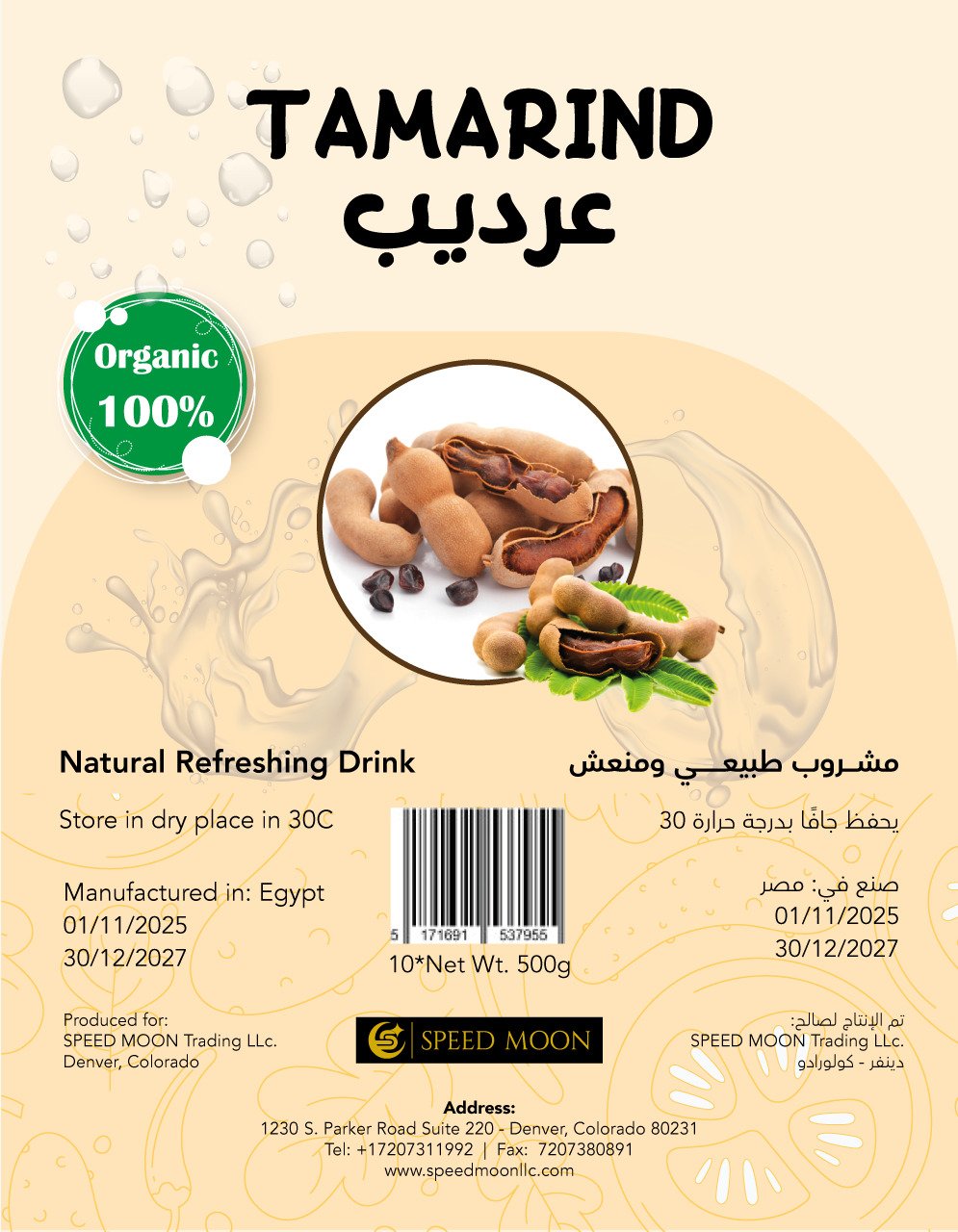
Aradeeb is the Sudanese name for Tamarind fruit, a tropical fruit that grows inside long brown pods. The sticky pulp found within these pods is the edible part, characterized by a very tart and tangy flavor mixed with some sweetness. Aradeeb is used in Sudanese cuisine to prepare a sweet and sour, refreshing drink served chilled, and is also used as a natural souring agent in cooking and preparing sauces.
Aradeeb is the common name in Sudan for the Tamarind fruit (Tamarindus indica), a tropical evergreen tree famous throughout Africa and Asia. Aradeeb is considered a vital ingredient in Sudanese cuisine, especially during the month of Ramadan, when its consumption peaks.
The Fruit and Characteristics: The fruit consists of long, woody, brown pods. The most valuable part is the dark brown, sticky pulp that surrounds the seeds inside the pods. This pulp is rich in sugars and acids, particularly tartaric acid, which gives it a refreshingly intense sour flavor balanced by a natural sweetness. Aradeeb is typically sold in the form of compressed blocks of dried pulp.
Primary Uses:
The Beverage (Aradeeb Juice): The pulp is steeped and strained to prepare a chilled, sweet-and-sour drink that is considered one of Sudan’s main refreshing and invigorating beverages.
Cooking: Aradeeb is used as a natural souring agent in stews, sauces, and dishes that require a balance between sour, sweet, and salty flavors.
In summary, Aradeeb represents an important nutritional and heritage element in Sudan, offering a unique taste and health benefits simultaneously.
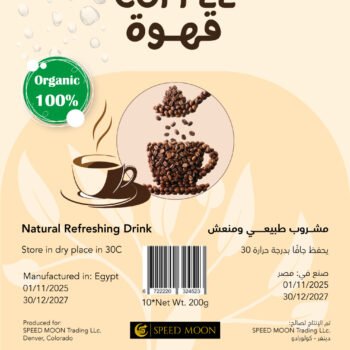
Coffee is a natural and stimulating beverage prepared from the roasted and ground seeds of the coffee plant. It is characterized by its rich, deep flavor and is a global source of caffeine, which helps enhance alertness and focus. Coffee is consumed worldwide as part of daily rituals and as a symbol of hospitality.
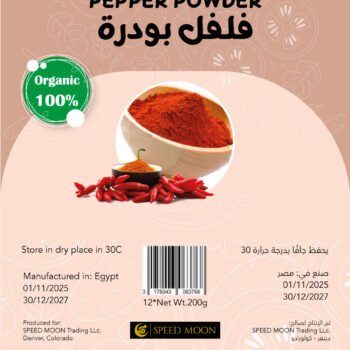
Pepper powder is a finely ground spice obtained by drying and milling the fruits of various pepper plants. The type, flavor, and heat level of the powder vary widely depending on the type of pepper used (such as chili pepper, paprika, or black pepper). The powder is used to add distinct flavor, heat, and color to a wide variety of dishes, and is an essential ingredient in seasoning meats, soups, and stews.
Scented incense consists of aromatic materials (such as Oud, resins, dried herbs, or wood blends infused with essential oils) that are burned to release fragrant smoke. Incense is widely used in Arab and Sudanese culture to perfume homes, clothing, and during religious and social gatherings, helping to create an atmosphere of warmth, hospitality, and spiritual tranquility.
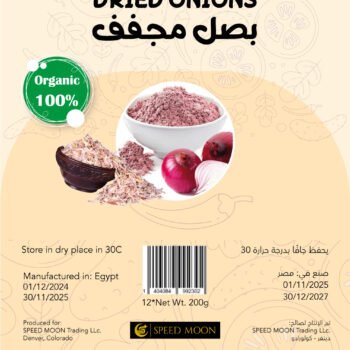
Dried onion is fresh onion that has been sliced, chopped, or minced, and then carefully dehydrated to completely remove its water content. It is available in various forms like minced flakes, rings, or powder, and is used as a convenient substitute for fresh onion in cooking. It features a concentrated, strong onion flavor, and is added to soups, stews, and sauces to enhance flavor without the hassle of chopping or the concern of rapid spoilage.
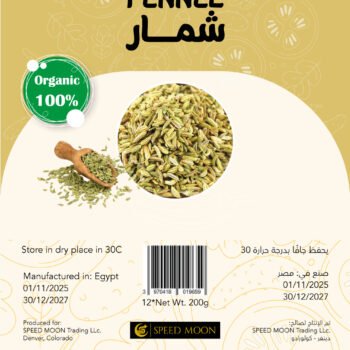
Fennel is an aromatic plant belonging to the carrot family, characterized by an edible white bulb, feathery green fronds, and small, potent seeds. Fennel has a distinctive flavor that resembles anise or mild licorice. All parts of the plant (the bulb, fronds, and seeds) are used in cooking to add a unique taste to salads, fish, and baked goods. Fennel seeds are also commonly used as a herbal remedy to aid digestion.
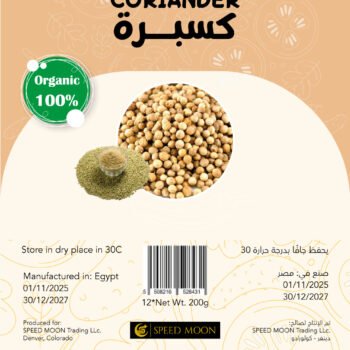
Coriander is an aromatic herb widely used in cooking. The name “Coriander” refers to different parts of the plant: the green leaves (also called cilantro) which have a fresh, sharp flavor, and the small, rounded, yellowish-brown seeds (coriander seeds) which feature a warm, nutty, and slightly citrus flavor after being dried and ground. Ground coriander seeds are a fundamental component in global and local spice blends.
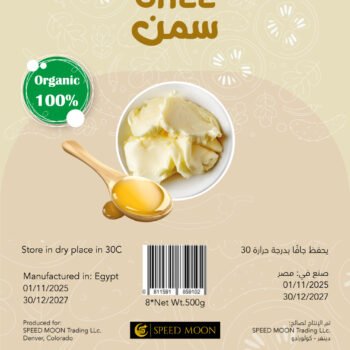
Ghee is a type of clarified butter made by simmering butter slowly to remove all water content and milk solids (proteins and lactose sugar). Widely used in Sudanese, Arab, and Indian cuisine for cooking and frying, Ghee is characterized by its rich, intense nutty flavor and a high smoke point, making it ideal for deep frying and searing.
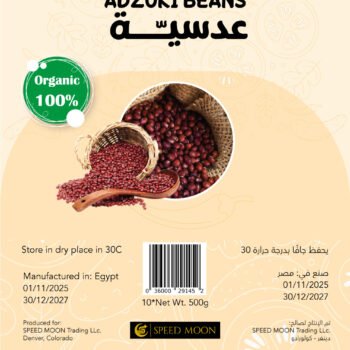
The Adzuki bean (also known as the red bean) is a small type of legume widely cultivated in East Asia, particularly in Japan, China, and Korea. It is characterized by its dark red color, small size, and a distinct, slightly sweet and nutty flavor unlike other red kidney beans. Its primary use is in making “sweet red bean paste” (Anko), which is extensively used in traditional Asian confectionery, pastries, and desserts.
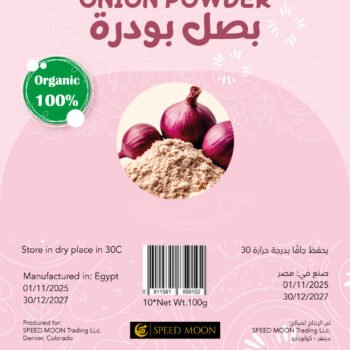
Onion powder is a very finely milled spice made from dehydrated and ground onions. It offers a strong, concentrated onion flavor without the texture or moisture of fresh onions. It is commonly used in rubs, seasoning blends, sauces, and convenience foods to enhance flavor consistently and easily.
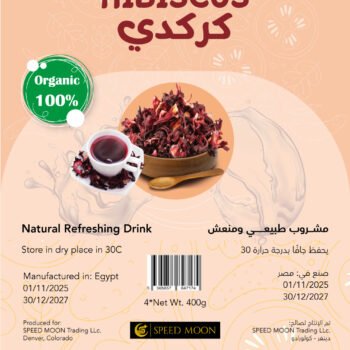
Hibiscus is a refreshing herbal infusion made from the dried calyces of the Hibiscus sabdariffa flower. It is characterized by its deep crimson-red color and slightly tart flavor. It is consumed both hot and cold and is well-known for its health benefits, including its potential to lower blood pressure.
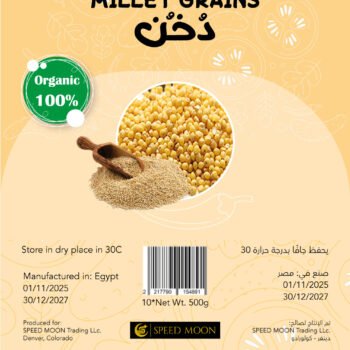
Millet grains are small, round, edible seeds that range in color from light yellow to white or red, depending on the variety (such as pearl millet or finger millet). These grains are considered an excellent source of nutrition, especially in gluten-free diets, and are rich in minerals and B vitamins. The grains are either ground into flour or cooked whole to prepare dishes similar to rice or couscous.
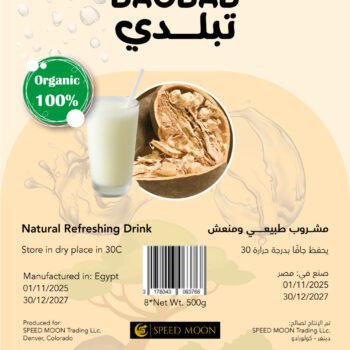
The Baobab drink, or “Tebeldi juice,” is a natural and refreshing African beverage prepared from the powdered pulp of the Tebeldi (Baobab) fruit. This drink is characterized by a tangy, sweet, and delicious citrus-like flavor. It is exceptionally rich in Vitamin C, making it a natural energy and immunity booster. It is consumed chilled to provide refreshment and hydration, particularly in hot climates.

Reviews
There are no reviews yet.